Loading...
Serving Ventura, CA and surrounding areas. (805) 833-5370
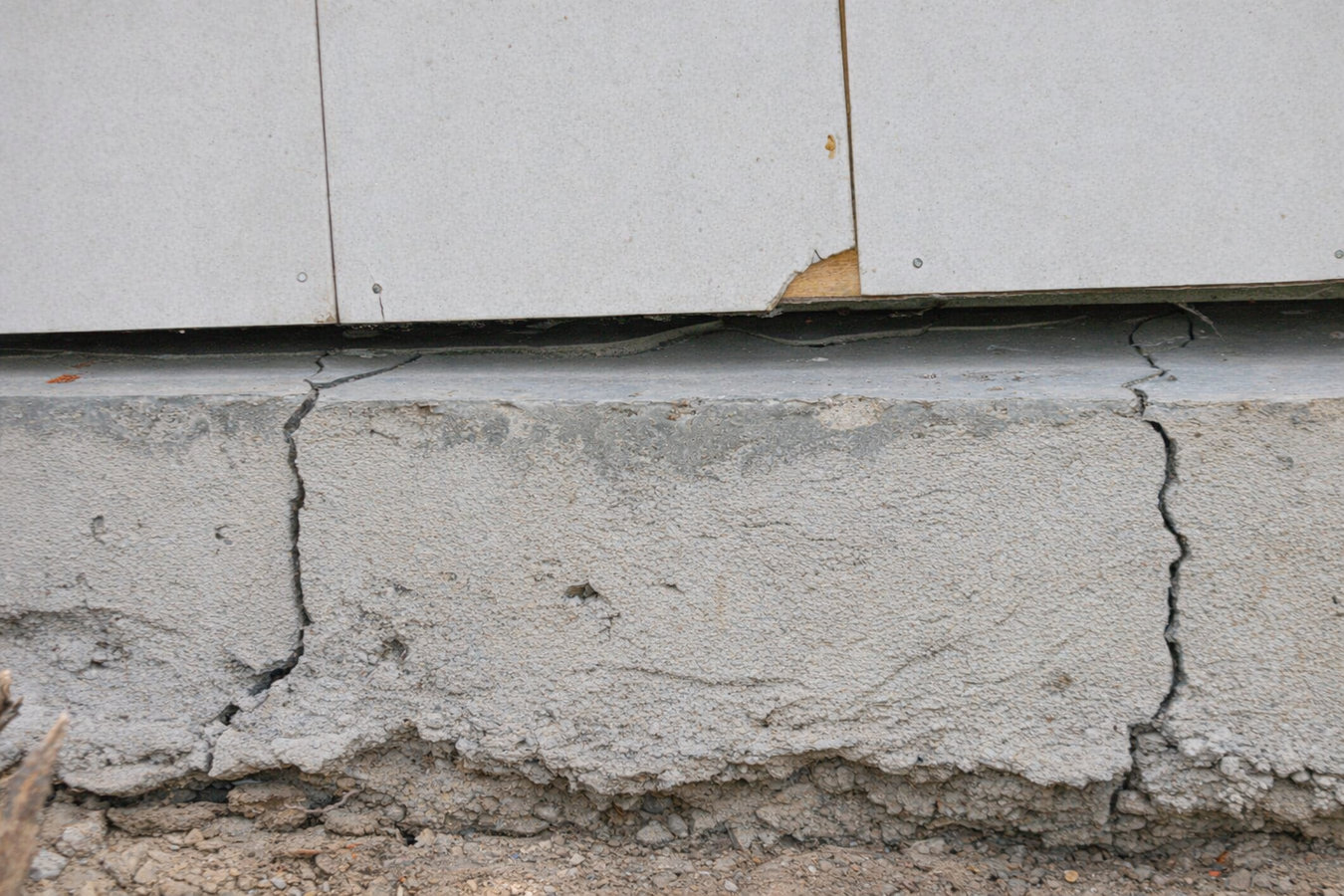
A sunken foundation does not always mean a full replacement. We lift settled slabs in Ventura using proven injection methods - restoring level, stable concrete at a fraction of the cost of tearing it out.
Foundation raising in Ventura lifts a sunken or uneven concrete slab back to its original position by injecting material beneath it to fill voids and push the concrete up - most residential jobs take one to two days and surfaces are usable within 24 hours.
If you have noticed a floor that seems to slope where it used to be flat, or doors and windows that started sticking after a wet winter, your foundation may have settled. This is common in Ventura, where clay-heavy soils expand and contract with every rainy season and the ground beneath older homes was not always compacted to current standards. Foundation raising addresses the symptom and, when paired with drainage corrections, the cause. If your settling is severe enough that the slab itself is structurally compromised, our slab foundation building service handles full replacement for homes that need a fresh start.
The process involves drilling small holes in the concrete at calculated intervals, injecting the lifting material, and patching the holes when the slab reaches the correct level. You do not need to leave your home during the work, and most jobs are complete in a single visit.
When a foundation shifts, the frames around doors and windows shift with it. If a door that used to swing freely now drags on the floor or a window that used to open easily now sticks, that is often one of the first signs something has moved below. This is especially common in Ventura homes after a wet winter, when saturated soil can shift and then dry out unevenly.
Diagonal cracks running from the corners of door frames or windows, and cracks in a garage floor or patio that seem to be growing wider, deserve attention. In Ventura, the combination of clay soils and seasonal moisture swings makes this kind of cracking more common than in drier inland areas. If a crack has appeared and grown over the past year, a professional assessment is worth scheduling.
Walk slowly across your living room or kitchen in bare feet. If you can feel a noticeable slope or a low spot in what should be a solid floor, the slab beneath may have settled in that area. You are looking for a change compared to how the floor used to feel, not an imperfection that was always there.
Ventura's rainy season can reveal drainage problems that are invisible the rest of the year. If water collects against your home's foundation or in low spots in your yard after a storm, that water is slowly eroding the soil that supports your slab. Left unaddressed, poor drainage is one of the most reliable ways to end up with a settling foundation - catching it early is much cheaper than fixing it later.
We offer two main methods for residential foundation raising in Ventura. Mudjacking pumps a cement-and-soil slurry beneath the slab through small drilled holes, filling voids and lifting the concrete as the material sets. Polyurethane foam injection uses a lightweight expanding foam that cures faster, weighs less - which matters in areas with soft or shifting soil - and is generally considered more durable over time. Both methods leave small patched holes in the slab that blend reasonably well with the surrounding concrete. For every job, we start with a thorough on-site assessment to determine which method fits your slab's condition and what underlying drainage or soil issues should be corrected alongside the lift. For situations where the slab is too deteriorated to raise, we provide an honest referral to our slab foundation building service so you get the right fix rather than a patch that will not hold.
In many cases, the most important part of a foundation raising job is what comes after the lift - correcting the drainage or grading conditions that caused the settling in the first place. We also assess the area around your foundation for grading and runoff issues as part of the site visit. When there is surface concrete nearby that needs repair or replacement following a lift, our concrete cutting service can handle any removal or modification work required before or after the raise.
A cost-effective approach for lifting settled garage floors, walkways, and patio slabs when soil conditions allow and the slab is in good structural shape.
Best for areas where soil is soft or variable, or where a lighter lifting material is preferred for long-term durability with less shrinkage risk.
For homes where pooling water near the foundation is contributing to settling - addressing this alongside the lift protects the repair from repeating.
For garage slabs that have settled away from the walls, creating a gap or an uneven surface that is difficult to work or walk on safely.
For outdoor concrete that has dropped, creating trip hazards or water retention areas near the home's foundation or entry points.
For homeowners preparing to sell who want a clear picture of their foundation's condition and documented repair work before listing.
Ventura sits at the edge of the Transverse Ranges, and the soil across the city varies from neighborhood to neighborhood. Many areas have clay-heavy soil that expands when wet and shrinks when dry - a cycle that puts repeated stress on concrete slabs year after year. Add to that the fact that a large share of homes in central and east Ventura were built in the 1950s through 1970s, when soil compaction standards were less rigorous than today, and you have a lot of properties where foundation settling is not unusual. The Midtown and Westside neighborhoods in particular see a steady number of foundation lifting jobs because the homes there are older and the soil conditions are not forgiving. Ventura County also sits near several active fault systems, and even minor seismic movement can shift soil beneath a slab gradually over years. You can learn more about the region's seismic hazard mapping from the California Geological Survey.
The seasonal pattern matters too. Ventura's Mediterranean climate sends most of its rainfall through in a concentrated November-to-March window, then goes months without any precipitation. That repeated wet-dry cycle is one of the most consistent drivers of slab movement here, because saturated soil shifts and washes away the particles that support concrete from below. Homeowners in Thousand Oaks and Camarillo face similar soil conditions and see the same pattern of foundation settling that Ventura homeowners deal with - which is why our work across those areas consistently pairs drainage correction with the lift itself.
When you reach out, we ask a few basic questions about where the settling is, how long it has been happening, and whether you have noticed any cracks or sticking doors. This helps us come prepared to your site with the right equipment. Most Ventura homeowners have an on-site visit scheduled within a few days of their first call.
We walk the affected areas with you, take measurements, and look at what caused the settling. You get a plain-language explanation of what we found and a written estimate before any work is agreed to. We will also tell you honestly if the problem is beyond what raising can fix.
For structural foundation work in Ventura, we confirm with the City of Ventura Building and Safety Division whether a permit is required for your specific job. If one is needed, we handle the application - this adds a week or two to the timeline but protects you legally and adds value to your home's record.
The crew drills small holes, injects the lifting material, and monitors the raise carefully. Once the slab is at the correct level, the holes are patched with concrete and the work area is cleaned up. Most surfaces are usable again within 24 hours, and we walk you through the results before we leave.
We give you a written estimate after seeing your property in person - not a number from thin air over the phone. No obligation to move forward.
(805) 833-5370Lifting a slab without understanding why it settled is just a delay. We assess drainage, soil conditions, and grading as part of every job and tell you what to address alongside the raise. That approach is why our results hold through multiple rainy seasons rather than just the next one.
Ventura's real estate market is competitive, and buyers look closely at foundation history. We pull the required permits and manage the City of Ventura inspection process from start to finish. A documented, permitted raise is an asset when you sell - not just a repair receipt.
We work across all 12 communities in our service area, from coastal Ventura neighborhoods to inland areas like Thousand Oaks and Simi Valley. Local work means we understand the soil conditions, seasonal patterns, and permit processes specific to this part of California.
You receive a written estimate that spells out exactly what is included before any work starts. If we find something unexpected during the job that would change the scope, we explain it and get your approval before adjusting. The bill you get at the end matches what you agreed to at the start. For more on professional standards in foundation work, the American Concrete Institute at concrete.org is a useful reference.
Foundation problems can feel overwhelming when you are not sure what you are dealing with. Our goal on every job is to give you a clear picture of the situation and a plan that actually addresses it - whether that is a same-day lift or a referral to a different scope of work that fits your home better.
For California contractor licensing verification, visit the California Contractors State License Board. For permit requirements specific to Ventura, the City of Ventura Building and Safety Division is the authoritative source.
When a raise reveals surface concrete that needs to be removed or modified, our concrete cutting service handles precise slab and wall cuts without damaging the surrounding material.
Learn moreFor foundations that are too deteriorated to lift, we pour a new slab from the ground up - built to current Ventura city code and seismic standards.
Learn moreVentura's rainy season does not wait - get your foundation assessed and stabilized before the next storm puts more pressure on settling soil.