
Loading...
Serving Ventura, CA and surrounding areas. (805) 833-5370
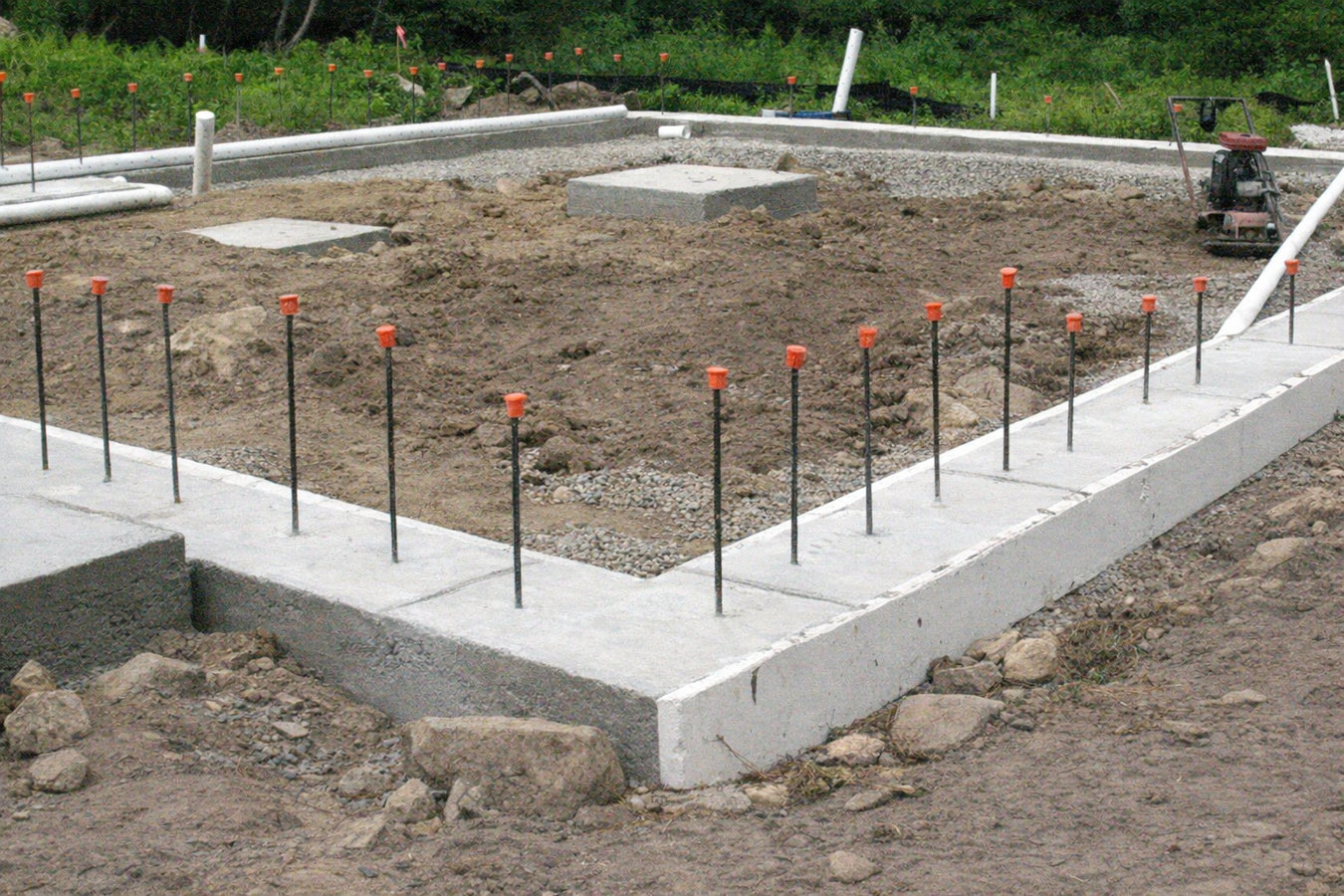
A deck, addition, or retaining wall is only as solid as what holds it in the ground. We pour concrete footings in Ventura designed for clay soil movement, earthquake zone requirements, and city permit inspections.
Concrete footings in Ventura are the underground concrete bases that hold up decks, room additions, retaining walls, fences, and accessory structures - most residential footing projects take one to three days of active work, plus permit review time before digging can legally begin.
Think of a footing as the flat bottom of a table leg. Without it, the weight above has nowhere stable to land. In Ventura - where clay-heavy soils expand and contract with every wet season and the county sits in an active seismic zone - the footing is not just a starting point. It is the part of your project where the work either gets done right or sets up problems you will not see for years. The city knows this, which is why most footing work requires an inspection before the concrete is poured.
For projects that require a full foundation rather than individual footings - a room addition on a perimeter stem wall, for example - our foundation installation service covers that broader scope with the same seismic detailing and city permit management.
Cracks in drywall or stucco that run diagonally from the corners of doors or windows often point to uneven settling of the structure below. In Ventura, where clay-heavy soils shift with the wet-dry cycle, this kind of movement is more common than in areas with stable ground. It does not always mean a footing failure, but it is worth a contractor looking at before the movement gets worse.
If a post that used to stand straight has begun to tilt - even slightly - the footing underneath may have shifted, cracked, or was never deep enough. This is especially common in Ventura with older deck and fence installations that predate current seismic and soil requirements. A leaning post is not just cosmetic - it means the structure above it is no longer properly supported.
Any permanent structure added to your Ventura home - even a covered patio or detached garage - almost certainly requires new footings per city building code. This is not optional, and a contractor who tells you footings are not needed for a permitted addition is a red flag. Getting footings right from the start protects your investment and keeps your project compliant.
Ventura's rainy season, though short, can be intense. If water consistently pools against the base of a retaining wall, fence, or addition after rain, that moisture is working into the soil around your footings. Over time, saturated clay soil expands and can push footings out of position. Persistent drainage problems near any structure are worth addressing before they become structural.
We handle footing work for the full range of residential applications in Ventura - decks, fences, additions, retaining walls, covered patios, accessory dwelling units, and detached garages. Every project starts with a site visit to assess soil conditions and access, followed by the permit application to the City of Ventura. We manage the permit process end to end, including scheduling the city inspection that happens before the pour. Before any concrete is placed, the inspector confirms the forms and steel placement match the approved drawings. That inspection is your protection - not a bureaucratic hurdle. For larger projects where a standalone slab element is also needed, our foundation installation service can be coordinated alongside the footing work in a single project scope.
When a footing project is tied to a larger flatwork scope - a driveway replacement or a hardscape project with a structural element built into it - our team coordinates across both scopes rather than treating them as separate jobs. This keeps grades, drainage lines, and material transitions consistent across the full project. For flatwork-only scopes that involve heavy surface loads, our concrete parking lot building service handles the surface work that follows the structural base.
For homeowners adding a new deck, pergola, or attached patio cover that requires post footings to current seismic depth requirements.
For additions requiring perimeter footings or a mix of spread and continuous footings to support new framing tied to the existing structure.
For retaining walls over a few feet in height where engineered footings are required by the city to handle soil pressure and seismic lateral loads.
For accessory dwelling units and detached garages requiring a permitted footing system as the base for a new structure on your lot.
For post footings on masonry or heavy fence installations where depth and concrete volume go beyond a standard post-hole install.
For older Ventura homes where existing footings have shifted, cracked, or need to be extended and reinforced to support new attached work.
Large portions of Ventura sit on soils with a high clay content that swells when wet and shrinks when dry. This movement is subtle season to season, but over years it puts steady stress on footings that were not sized or placed with it in mind. A footing that works fine in stable sandy soil may shift or crack in Ventura's neighborhoods without the right depth, width, or drainage around it. When we come to your site, we look at the actual soil conditions before finalizing the design - not just the minimum the permit application requires. The California Geological Survey maps the seismic hazard zones across the county, and Ventura's placement near active fault systems means the lateral force requirements for footings here are stricter than in lower-risk parts of the state. Property owners in Santa Paula deal with very similar clay soil and seismic considerations - we handle projects there with the same site-specific approach.
Many homes in Ventura's established neighborhoods - particularly in Midtown and the streets east of downtown - were built in the 1950s through 1970s under standards that did not account for what we now understand about clay soil behavior or seismic detailing. If you are adding onto an older home, we look at the existing footings before designing the new work, because tying in new construction to an undersized original footing creates a mismatch that shows up as cracking or movement within a few years. Homeowners in Moorpark dealing with additions on older homes face the same issue, and we approach those projects the same way - assess what exists before designing what comes next. The American Concrete Institute sets professional standards for mix design and placement that we follow on every pour to ensure the footing reaches its intended strength during the curing period.
We visit your property, look at the soil, assess the area being dug, and review any existing structures the new footings will tie into. You get a written estimate - not a verbal number - within a few days. We respond to all inquiries within one business day.
We submit the permit to the City of Ventura Building and Safety Division on your behalf. Before any digging starts, underground utility lines are marked at no cost to you - this is required by California law and protects both the crew and your property.
The crew digs to the required depth, sets wooden forms to shape the concrete, and places steel reinforcing bars inside. This is the stage the city inspector visits to approve before the pour - the inspector confirms the forms and steel match the approved drawings. This inspection cannot be skipped.
Once the inspection is signed off, the concrete is poured and the forms are removed after it sets. The footings need at least a week before the next phase of your project can load them. We give you a clear curing timeline before we leave so your project schedule stays on track.
Free site visit. Written estimate with permit fees included. We handle the city process so your project does not stall waiting for approvals.
(805) 833-5370Clay-heavy soils are common across Ventura's established neighborhoods, and they move with every wet season. We assess what is actually in the ground at your site before we finalize the footing depth and width - because a footing designed for stable soil can crack or shift in Ventura's expansive clay within a few years. This site-first approach is standard for us, not an upsell.
Ventura County sits in a high seismic hazard zone mapped by the California Geological Survey. Footings here need to resist lateral earthquake forces, not just the downward weight of a structure. We design with those requirements from the start - more steel reinforcement and deeper embedment than you would need in lower-risk states. This is what the city inspector will be checking before the pour.
The City of Ventura Building and Safety Division requires a permit and a pre-pour inspection for most residential footing work. We submit the application, prepare drawings, and schedule the inspection - you do not need to track the permit yourself or visit city offices. Permit fees are included in your written quote so you know the real cost upfront, not mid-project.
Santa Ana wind events in late summer and fall can dry out freshly poured concrete before it has fully hardened inside - which creates surface cracking that weakens the footing long-term. We take the steps to keep the concrete moist during the curing period, especially during Ventura's hot, dry stretches. A footing that cures correctly is one that holds for decades rather than one that needs repairs within five years.
Footing work is the part of your project that gets buried and forgotten - which is exactly why it needs to be done correctly the first time. Every deck, addition, and retaining wall we build in Ventura starts with footings that are designed for this specific ground, not adapted from a template built for somewhere else.
Lift and re-level a settled or damaged foundation - the structural correction that often follows a footing or foundation problem left too long.
Learn moreFull perimeter foundation installation for new homes, additions, and replacement projects requiring more than individual footings.
Learn morePermit slots fill up fast - locking in your start date now keeps your addition, deck, or ADU on schedule for this season.