Loading...
Serving Ventura, CA and surrounding areas. (805) 833-5370
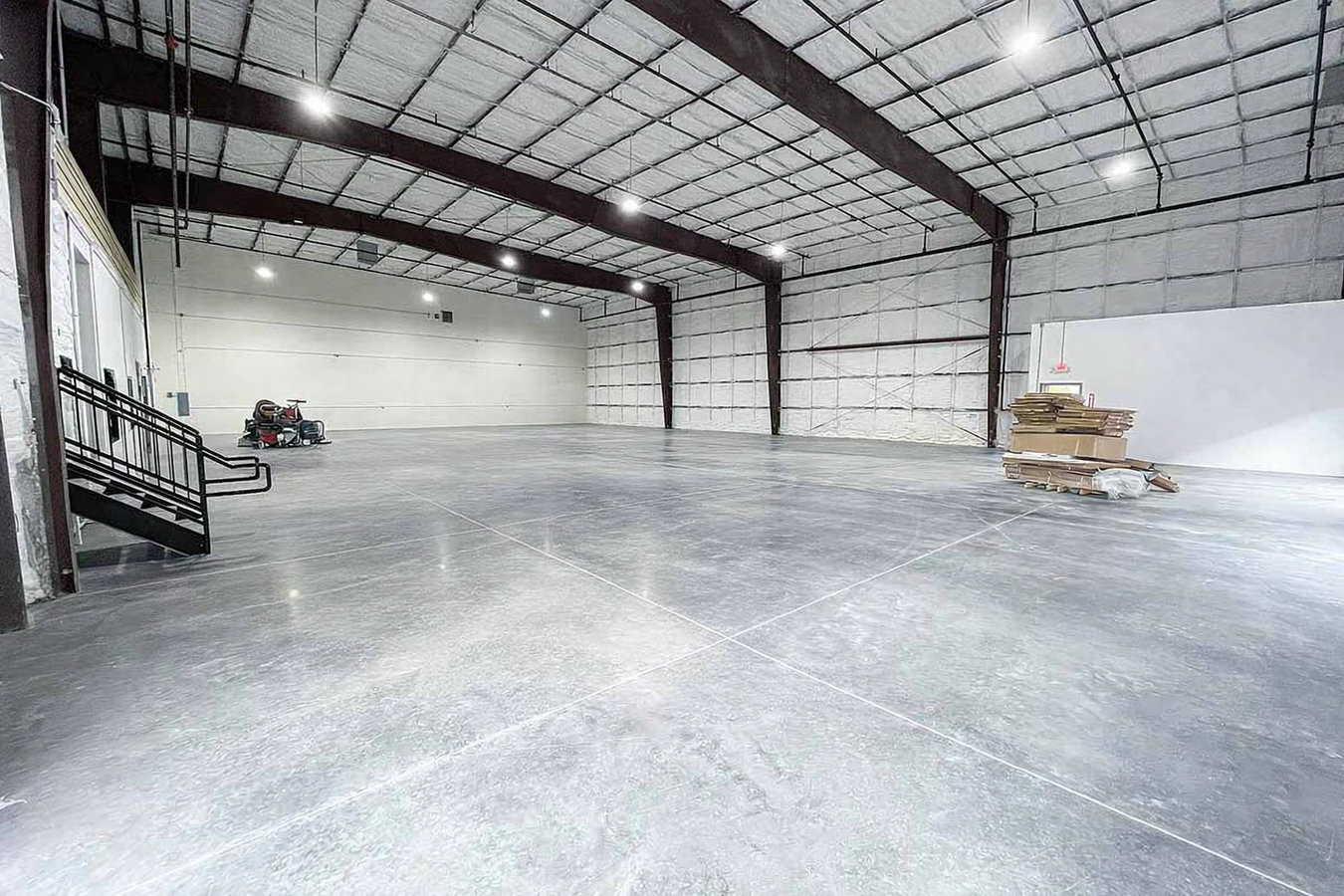
A cracked, uneven, or deteriorating concrete floor makes every space harder to use. We install floors that are prepped correctly, sealed against coastal air, and ready for whatever you put on them.
Concrete floor installation in Ventura starts with removing old material, compacting the soil, and laying a gravel base before the pour - most residential floors take one to three days on-site, with a curing period of at least one week before regular use.
A large share of Ventura's housing stock was built in the 1950s through 1970s, and many of those original garage and utility floors are now at or past the end of their useful life. If your home is from that era, there is a good chance the existing slab has settled unevenly or cracked in ways that patching cannot fix. Concrete floor installation in Ventura is also one of the most common starting points for ADU and garage conversion projects, where the existing slab needs to be upgraded to meet living-space standards.
Homeowners doing a full garage renovation often pair floor installation with our garage floor concrete service, which covers the specific prep, thickness, and sealing needs for a working garage rather than a converted living space.
Small hairline cracks are normal, but cracks wider than a pencil tip - especially ones that have grown over time - mean the floor has shifted or settled beyond what patching can fix. In Ventura's older neighborhoods, where original slabs were poured thin and soil prep was minimal, this kind of cracking is common in homes built before 1980. A crack that returns after patching is a sign the underlying problem needs a real solution.
Walk across your garage or utility room and notice if it feels level. If water pools in certain spots after mopping, or rain that blows in sits rather than draining, the floor has settled unevenly. Homes near the Ventura River corridor or lower-lying areas are especially prone to this because soil beneath them can shift over time. An uneven floor is also a tripping hazard.
If the top layer of your concrete floor is peeling away in chips or leaving a dusty residue when you sweep, the surface has deteriorated past the point of sealing or patching. This kind of breakdown is accelerated by Ventura's coastal air, which carries salt that slowly degrades unprotected concrete. Once the surface starts breaking down, the damage spreads quickly.
If the floor feels damp to the touch, shows white powdery deposits, or causes flooring materials on top of it to buckle or peel, moisture is migrating up through the concrete. This is a sign the original slab lacked a moisture barrier underneath it, or the barrier has failed. Left unaddressed, this moisture can damage anything you put on the floor and contribute to mold growth in enclosed spaces.
We handle the complete process from start to finish - demolition of the old slab if needed, soil compaction and gravel base preparation, placing reinforcement mesh or rebar, pouring, surface finishing, and applying a sealer designed for Ventura's coastal conditions. Every floor gets a moisture barrier as a standard part of the job, not an add-on. If your project involves an ADU or garage conversion, we coordinate the permit application with the City of Ventura and schedule the inspection so you do not have to navigate that process on your own. We also install concrete pool decks for homeowners doing outdoor slab work at the same time as interior floor replacements, allowing us to coordinate both pours efficiently.
The finish you choose affects how the floor looks, how easy it is to clean, and how long it lasts. A broom finish is the most common choice for garages and utility spaces - it provides grip and is forgiving in a working environment. Polished, stained, or epoxy-coated finishes cost more but can transform a garage conversion into a space that looks and feels like a proper room. We also pair floor work with our garage floor concrete service when the existing space is staying as a garage rather than being converted.
For homeowners replacing a cracked, uneven, or deteriorating garage slab with a properly reinforced and sealed surface.
Garage and backyard ADU projects that need a new floor built to living-space standards - thicker, reinforced, with a moisture barrier and city permit.
For laundry rooms, workshop areas, or other utility spaces where the existing concrete is failing and needs a clean, level replacement.
For additions, detached structures, or new backyard buildings where there is no existing slab and the foundation needs to be poured from scratch.
For homeowners converting a garage to a gym, studio, or living space who want the floor to look finished rather than functional.
When the existing slab is too damaged or too thin to save - we remove the old pour, assess and prepare the soil, and start fresh.
Two local factors shape how concrete floor work gets done in Ventura. First, the coastal air: Ventura sits right on the Pacific, and the salt carried in that marine layer is hard on unsealed concrete. A floor that looks perfect at installation can start to pit and flake within a few years if it was not sealed properly. We apply a quality sealer on every job and recommend reapplication every few years - not as an upsell, but because it genuinely extends the life of any floor in this environment. Second, Ventura's older housing stock: a large share of the city's homes were built in the 1950s and 1960s with original slabs that are thinner than today's standards and may have settled unevenly over the decades. Getting the soil preparation right before any new pour is more important here than in a city with newer construction.
We see strong demand for this work all across the area. Homeowners in Camarillo and central Ventura alike are converting garages and adding ADU units, and the floor is almost always the first - and most important - step in that process. California's ADU regulations have made it easier to add secondary units, and a properly installed, permitted slab is what separates a project that passes inspection the first time from one that does not.
We respond within 1 business day. We will ask about the size and current condition of the space, what you plan to use it for, and whether it is part of an ADU or garage conversion. Then we schedule a free on-site visit - the existing floor condition and soil beneath it affect the cost significantly and cannot be assessed from a photo.
We look at the existing slab or subgrade, assess any drainage concerns, and talk through finish options. You get a written estimate that breaks out demolition, materials, reinforcement, labor, permit fees, and sealing separately. No single-number bids that leave you guessing what you are actually paying for.
For ADU slabs, garage conversions, and new structures, we submit the permit application to the City of Ventura on your behalf. Permit processing typically takes a few weeks, so we build this into the schedule upfront. For straightforward garage floor replacements that do not require a permit, we move to scheduling immediately after the estimate is accepted.
Demolition and subgrade prep typically take one day, the pour happens the next. We walk you through the curing timeline so you know exactly when you can use the space and at what level. The city inspection is scheduled and attended by us. Before we leave, we walk the finished floor with you and confirm the sealer has been applied.
Free on-site estimate. We handle permits for ADU and garage conversion projects. No obligation.
(805) 833-5370We have installed concrete floors for garage conversions and backyard ADU units throughout Ventura and across 12 cities in Ventura County. We understand what the city inspector is looking for - floor thickness, moisture barrier, reinforcement - and we build to that standard from the start so you pass inspection the first time.
Every floor we install gets a quality sealer applied before we leave. In a coastal city like Ventura, sealing is not optional maintenance - it is part of what makes the floor last. The American Concrete Institute recommends sealing as a standard practice for concrete in environments with salt air and moisture exposure.
The City of Ventura requires permits for concrete floor work tied to habitable spaces and new structures. We submit the application, follow up on status, and attend the inspection. You do not need to visit any city office or track down paperwork - that is our job.
Ventura has a large share of homes built in the 1950s and 1960s, and we know what that means for floor replacement work - thinner original slabs, settled soil, and sometimes surprises under the old concrete. We account for this in every estimate and do not give you a low number that grows after the demo starts.
Ventura's older housing stock and coastal environment make concrete floor work here more demanding than a generic job in a newer suburb. We have done enough of these projects in this area to know what actually matters - and to build it into every floor we pour.
Pair an interior floor replacement with an outdoor pool deck pour - we coordinate both projects to minimize disruption and scheduling overlap.
Learn moreStaying with a working garage rather than converting? Our garage floor service covers the right thickness, finish, and sealing for a space that takes vehicle traffic and oil spills.
Learn moreADU season means permit queues are longer than usual - the sooner you get your estimate and permit application in, the sooner your project can start.